Maritime and Shipping Disputes in Türkiye: Legal Guide for Cargo, Charterparty and Vessel Claims
Maritime disputes require speed, evidence discipline and a clear understanding of commercial reality. In Türkiye, cargo claims, charterparty disputes, ship arrest, demurrage, marine insurance and port-related issues should be managed with both legal precision and industry awareness.
- Written by
- Berat Murat Terzioğlu, Director of Legal & International Coordination
- Legal review
- Yavuz Selim Terzioğlu, Founding Partner
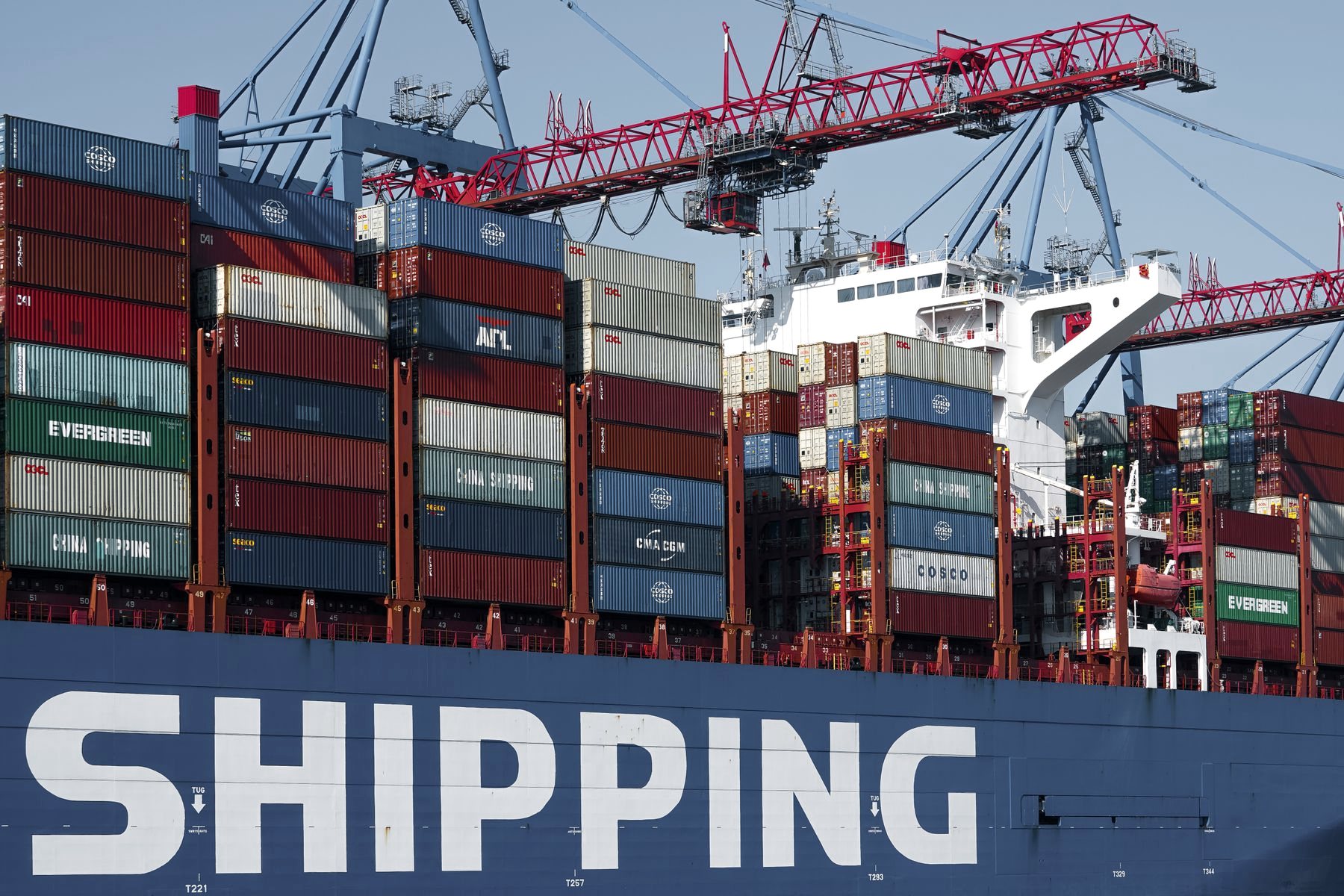
Türkiye has long been a significant maritime jurisdiction because of its geography, ports, shipyards, trading routes and connection to the Black Sea, Mediterranean, Aegean and international shipping markets.
Maritime commerce is fast, document-driven and intensely practical. A single voyage may involve a shipowner, charterer, cargo interest, consignee, freight forwarder, carrier, insurer, P&I club, port operator, agent, bank, customs authority and multiple jurisdictions.
When something goes wrong, time matters.
A cargo may be damaged. Freight may remain unpaid. A charterparty may be breached. A vessel may be delayed. Demurrage may accrue. A bill of lading may be disputed. A ship may need to be arrested before it leaves port. A marine insurer may deny cover. A consignee may refuse delivery. A carrier may rely on exclusions. A bank may hold documents under a letter of credit. A foreign judgment or arbitral award may later need to be enforced.
Maritime disputes therefore require more than general commercial litigation experience. They require legal speed, technical understanding, documentary discipline and commercial judgment.
This guide explains the key legal issues parties should consider in maritime and shipping disputes connected with Türkiye.
1. Maritime Disputes Are Different From Ordinary Commercial Disputes
Maritime disputes are often urgent. Ships move. Cargo deteriorates. Documents circulate. Time bars expire. Security may disappear. Evidence may be located across several jurisdictions. The commercially responsible party may not be the party physically holding the cargo or operating the vessel.
This makes maritime disputes distinct from ordinary commercial disputes. Key features include multiple parties, international contracts, short notice periods, specialised documents, fast-moving assets, port and customs procedures, cargo preservation issues, ship arrest possibilities, insurance and P&I involvement, foreign law or arbitration clauses, and enforcement across jurisdictions.
The first hours or days after a maritime problem may determine the legal outcome. A party that waits too long may lose evidence, security, leverage or legal rights.
2. Common Types of Maritime and Shipping Disputes
Maritime disputes may arise in many forms. Common disputes include cargo damage claims; shortage and loss of cargo; delay in delivery; freight disputes; demurrage and detention claims; charterparty disputes; bill of lading disputes; ship arrest and release; unpaid bunker claims; ship repair disputes; port service disputes; collision and casualty claims; salvage claims; general average; marine insurance disputes; P&I claims; ship sale and purchase disputes; shipbuilding and repair claims; enforcement of foreign judgments or arbitral awards; and disputes involving sanctions, trade restrictions or blocked payments.
Each category has its own evidentiary and procedural logic. A cargo claim is not managed like a charterparty dispute. A demurrage claim is not managed like a ship arrest. A marine insurance dispute is not managed like a freight collection matter.
3. Cargo Claims: Damage, Shortage and Delay
Cargo claims are among the most common maritime disputes. They may involve damaged cargo, wet damage, temperature damage, contamination, shortage, theft, misdelivery, delay, improper stowage, packaging issues, failure to ventilate, reefer malfunction, cargo deterioration, wrong delivery against documents and customs-related storage issues.
The main questions are usually: who had custody of the cargo? When did the damage occur? Was the cargo damaged before loading? Was the cargo properly packed? Was the bill of lading clean or claused? Were reservations made at delivery? Was a survey conducted? Was notice given on time? What limitation regime applies? Who has title to sue? Is the carrier liable? Is an insurer or P&I club involved?
Cargo claims are evidence-sensitive. Photographs, survey reports, delivery receipts, mate's receipts, bills of lading, temperature logs, packing records, commercial invoices and correspondence may all be decisive.
A party receiving damaged cargo should act immediately. Delay in inspection or failure to make proper reservations may weaken the claim.
4. Bills of Lading and Documentary Control
The bill of lading is one of the central documents in maritime trade. It may operate as a receipt for goods, evidence of the contract of carriage, a document of title, and an instrument used in banking and trade finance.
Bill of lading disputes may involve the identity of the carrier, clean versus claused bill, misdescription of cargo, date of shipment, delivery without original bill, switch bills, forged documents, consignee rights, notify party issues, incorporation of charterparty terms, jurisdiction or arbitration clause, and limitation and exclusion clauses.
In documentary trade, small discrepancies can have major consequences. A bill of lading should not be treated as a routine shipping form. It may determine who can sue, who is liable, where the dispute will be heard and whether payment under a letter of credit will proceed.
5. Charterparty Disputes
Charterparty disputes arise between shipowners, charterers, disponent owners and sometimes sub-charterers. They may involve voyage charters, time charters, bareboat charters or contract-of-affreightment structures.
Common charterparty disputes include failure to provide a seaworthy vessel, late delivery of vessel, off-hire claims, unpaid hire, unsafe port or berth disputes, speed and performance claims, bunker disputes, demurrage, detention, deviation, cargo nomination problems, laytime calculation, force majeure, sanctions clauses, early redelivery, repudiatory breach and termination.
Charterparty disputes are often governed by English law and arbitration clauses, but Türkiye may become relevant where the vessel, cargo, port, counterparty, security or enforcement is located in Türkiye.
This is why maritime disputes often require cross-border coordination. A party may arbitrate in London but need security in a Turkish port. Or a Turkish company may face a foreign claim arising from a charterparty governed by another law.
6. Laytime, Demurrage and Detention
Laytime and demurrage disputes are highly technical. They usually require close analysis of the notice of readiness, arrival at port or berth, commencement of laytime, working days, weather interruptions, strikes, congestion, shifting, loading and discharge rates, statements of facts, time sheets, exceptions, demurrage rate, detention after laytime and documentary requirements.
A demurrage claim may appear mathematical, but it often turns on legal interpretation and evidence.
Key documents include the charterparty, notice of readiness, statement of facts, time sheet, port logs, terminal records, weather reports, correspondence, protest letters and loading or discharge records.
Parties should not wait until the end of the voyage to organise demurrage evidence. The foundation is built during port operations.
7. Freight and Unpaid Charges
Freight disputes may arise where payment is delayed, withheld, deducted or disputed. Issues may include the freight due date, freight prepaid or collect, lien on cargo, set-off claims, deductions for alleged damage, currency and bank transfer issues, sanctions or compliance restrictions, agency involvement, freight forwarding arrangements, unpaid port charges, bunker charges, and storage and demurrage charges.
In some cases, rapid action may be required to preserve leverage over cargo, documents or vessel-related security.
The legal strategy depends on the contractual chain. A freight forwarder, NVOCC, carrier, shipowner, charterer and cargo owner may each occupy a different legal position.
8. Ship Arrest in Türkiye
Ship arrest is one of the most powerful tools in maritime law. Because vessels move across jurisdictions, a claimant may need to obtain security quickly before the vessel departs.
Ship arrest may be relevant for claims such as unpaid freight, charterparty claims, cargo damage, collision, salvage, towage, port dues, bunker claims, crew wages, ship repair, mortgage claims and claims relating to vessel ownership or possession.
Ship arrest is a specialised procedure. It requires speed, proper documentation and careful assessment of the legal basis for the maritime claim.
Before seeking arrest, a claimant should consider whether the claim qualifies as a maritime claim, whether the vessel is within or approaching Turkish jurisdiction, the identity of the vessel owner, whether sister ship arrest is available, the security amount, court requirements, counter-security, urgency, the risk of wrongful arrest, release mechanisms and settlement leverage.
A ship arrest application should be prepared carefully. Errors in ownership, claim characterisation or evidence can create delay or liability risk.
9. Release of Vessel and Security
A vessel under arrest may be released if adequate security is provided. Security may take different forms, such as a bank guarantee, a P&I club letter of undertaking, a cash deposit, court-approved security or a settlement-backed undertaking.
The claimant wants reliable security. The shipowner wants release quickly and without excessive security.
Disputes may arise over the amount of security, currency, interest, costs, form of guarantee, wording, jurisdiction, duration, scope of secured claim and enforcement of security.
A security document should be drafted with great care. It may become the practical substitute for the vessel.
10. Marine Insurance and P&I Claims
Marine disputes often involve insurance. Relevant cover may include hull and machinery insurance, protection and indemnity cover, cargo insurance, freight insurance, marine liability cover, war risks, charterers' liability, shipyard insurance, port operator liability and marine cargo open cover.
Insurance issues may arise over notification, policy coverage, exclusions, seaworthiness, causation, survey requirements, mitigation, claims documentation, subrogation, deductibles, limitation, double insurance, and misrepresentation or non-disclosure.
P&I clubs may become involved in cargo claims, collision claims, pollution, crew matters, wreck removal, fines and other liabilities.
A party should understand whether it is dealing with the insurer, the insured, the P&I club, a correspondent, a surveyor or a lawyer appointed by insurers. Marine insurance disputes require coordination between legal, technical and claims-handling teams.
11. Port, Terminal and Customs-Related Disputes
Port and terminal disputes can become commercially urgent. They may involve storage charges, terminal handling charges, cargo release, customs hold, delay in clearance, damaged cargo at terminal, equipment damage, container detention, port operator liability, misdelivery, abandoned cargo, dangerous goods and regulatory fines.
Port-related disputes often require coordination with local agents, customs brokers, surveyors, port authorities and insurers.
Documentation is again critical. The party should collect arrival notices, delivery orders, gate records, customs documents, photographs, terminal reports, invoices, inspection records, correspondence with agents and cargo release documents.
Where cargo is deteriorating, preservation and mitigation steps may be as important as the legal claim.
12. Collision, Casualty and Emergency Response
Maritime casualty claims may involve collision, grounding, fire, sinking, pollution, personal injury, cargo loss or port damage. These incidents require immediate response.
Key steps may include preserving evidence, appointing surveyors, notifying insurers and P&I clubs, securing crew statements, collecting voyage data, obtaining port and authority records, assessing pollution risk, coordinating salvage, managing cargo interests, addressing claims from third parties, considering limitation of liability and managing media and reputational issues.
Casualty response is not only legal. It is operational, technical, insurance-driven and reputational. A party that fails to act early may lose control of the narrative and evidence.
13. Ship Sale, Purchase and Registration Disputes
Ship sale and purchase transactions may lead to disputes involving inspection, deposit, condition of the vessel, delivery documents, class status, mortgages and encumbrances, deletion certificate, flag issues, payment mechanism, sanctions compliance, escrow, delivery location, rejection rights and defects discovered after delivery.
Registration issues may also arise where Turkish or foreign registries, mortgages, ownership changes, deletion or flagging arrangements are involved.
Buyers should conduct legal and technical due diligence before completion. Sellers should ensure clean title, proper authority, documentation and release of encumbrances.
A vessel is not simply an asset. It is a movable commercial platform subject to registry, finance, insurance, class and flag-state issues.
14. Shipbuilding and Repair Disputes
Türkiye has significant shipbuilding and repair activity. Disputes may arise from late delivery, defective workmanship, design changes, specification disputes, payment milestones, refund guarantees, performance guarantees, class approval, sea trials, variation orders, warranty claims, repair delay, yard liens, equipment supply problems and termination.
Shipbuilding contracts require careful drafting because the project may involve design, engineering, procurement, class, flag, finance and delivery obligations.
A strong shipbuilding or repair contract should define the technical specification, milestones, payment schedule, inspection rights, variation procedure, tests and trials, delivery conditions, delay damages, warranty period, rejection rights, refund security and dispute resolution.
As with construction projects, records and notices are decisive.
15. Sanctions, Compliance and Trade Restrictions
Shipping is highly exposed to sanctions and trade compliance risk. Parties may need to consider sanctioned vessels, sanctioned cargo, restricted counterparties, port restrictions, dual-use goods, payment routes, ownership and control checks, insurance restrictions, charterparty sanctions clauses, documentary trade restrictions and bank compliance.
A legally valid contract may become commercially impossible if banks, insurers, ports or authorities refuse to process the transaction.
Shipping companies, traders, charterers and cargo interests should conduct counterparty and vessel checks before committing to a transaction. Sanctions clauses should not be inserted mechanically. They should reflect the actual risk profile of the trade.
16. Evidence Preservation in Maritime Disputes
Evidence in maritime disputes may disappear quickly. A party should preserve bills of lading, charterparties, booking confirmations, mate's receipts, cargo manifests, survey reports, photographs, temperature logs, container records, correspondence, protest letters, notices, statements of facts, time sheets, port records, customs documents, invoices, payment records, insurance notices, crew statements, VDR or AIS data where relevant, and class and inspection records.
The evidentiary approach should be proactive. A party should not assume that the carrier, agent, port, insurer or counterparty will preserve documents in a way that protects its interests.
17. Time Bars and Notice Requirements
Maritime claims often involve strict time limits and notice requirements. These may arise from contract clauses, bills of lading, charterparties, international conventions, Turkish law, insurance policies, port regulations and arbitration clauses.
A party should identify deadlines immediately. Possible deadlines may relate to cargo damage notices, arbitration commencement, court proceedings, demurrage claim submission, insurance notification, limitation periods, protest requirements and appeal or objection periods.
Time bars are one of the main reasons maritime claims fail. Even a strong claim may become unenforceable if deadlines are missed.
18. Jurisdiction, Arbitration and Applicable Law
Maritime contracts frequently contain foreign jurisdiction or arbitration clauses. A Turkish-connected dispute may therefore be heard in the Turkish courts, London arbitration, other international arbitration forums, foreign courts, specialised maritime jurisdictions or local enforcement proceedings.
The first legal task is to identify the correct forum. Parties should review the governing law, jurisdiction clause, arbitration clause, seat of arbitration, language, institution or ad hoc rules, incorporation of charterparty clauses into the bill of lading, enforceability, interim relief, security, limitation and enforcement strategy.
A party may need to act in more than one jurisdiction: for example, arresting a ship in Türkiye while arbitrating the merits abroad.
19. Enforcement of Maritime Claims and Awards
Maritime disputes often end in settlement, judgment or arbitral award. The practical question then becomes enforcement.
A party should consider where the debtor has assets, whether a vessel is available for arrest, whether cargo or receivables can be targeted, whether a foreign award must be recognised, whether security already exists, whether bank guarantees or P&I undertakings are enforceable, whether insolvency risk exists and whether limitation proceedings affect recovery.
Winning the legal argument is not enough if recovery is not planned. Enforcement strategy should begin at the start of the dispute, not after the decision.
20. Settlement Strategy in Maritime Disputes
Many maritime disputes settle because commercial parties need certainty. Settlement may be appropriate where vessel release is urgent, cargo is perishable, legal costs may exceed the claim, evidence is uncertain, multiple parties are involved, the commercial relationship should continue, insurance involvement creates practical constraints or time-sensitive payment is needed.
A settlement should clearly address the payment amount, currency, deadline, release of vessel or cargo, release of security, confidentiality, scope of claims released, costs, governing law and default consequences.
In maritime matters, settlement documents must be precise because multiple related claims may exist across different contracts and parties.
21. Common Mistakes in Maritime Disputes
Common mistakes include waiting too long before seeking legal advice; failing to preserve evidence; missing notice deadlines; failing to appoint a surveyor; not making reservations on delivery documents; relying on informal agent communications; misunderstanding the bill of lading; ignoring charterparty terms; failing to secure the claim before the vessel departs; assuming insurance will cover the loss; not checking jurisdiction or arbitration clauses; treating demurrage as a simple invoice issue; failing to involve technical experts; accepting security with weak wording; and pursuing claims without an enforcement strategy.
These mistakes are often avoidable with early legal coordination.
22. Practical Checklist for Cargo Interests
Cargo owners and consignees should ask:
- Is the cargo damaged, short or delayed?
- Was damage noted at delivery?
- Were photographs taken?
- Was a surveyor appointed?
- Is there a clean or claused bill of lading?
- Who is the contractual carrier?
- Was notice given on time?
- Are insurance notifications made?
- What is the applicable limitation regime?
- Is there a jurisdiction or arbitration clause?
- Is the carrier, forwarder or terminal responsible?
- Is cargo deterioration ongoing?
- Can the claim be secured?
- Are all documents preserved?
23. Practical Checklist for Shipowners and Charterers
Shipowners and charterers should ask:
- What does the charterparty say?
- Has a valid notice of readiness been tendered?
- Are laytime and demurrage records complete?
- Are hire or freight payments overdue?
- Is the vessel off-hire?
- Are there unsafe port or berth issues?
- Are sanctions or compliance clauses triggered?
- Has a protest been issued?
- Are notices contractually compliant?
- Are P&I and insurers notified?
- Is security required?
- Is arbitration required?
- Are there Turkish assets or vessels relevant to enforcement?
- Is settlement commercially preferable?
Frequently Asked Questions
What are maritime disputes in Türkiye?
Maritime disputes in Türkiye may include cargo claims, charterparty disputes, ship arrest, demurrage, freight claims, port disputes, marine insurance, P&I matters, collision, ship repair and enforcement of maritime claims.
Can a vessel be arrested in Türkiye?
Ship arrest may be available in Türkiye for qualifying maritime claims, subject to applicable legal requirements, evidence, the jurisdictional position of the vessel and court procedure.
What should be done after cargo damage is discovered?
The consignee or cargo interest should preserve evidence, take photographs, make written reservations, appoint a surveyor, notify insurers, collect transport documents and seek legal advice before deadlines expire.
Are charterparty disputes always heard in Türkiye?
Not necessarily. Many charterparties contain foreign law or arbitration clauses. Türkiye may still be relevant for ship arrest, security, cargo, enforcement or local proceedings.
Is a bill of lading important in a cargo claim?
Yes. The bill of lading may evidence receipt, contractual terms, carrier identity, cargo description, title rights, jurisdiction and arbitration terms.
Can marine insurance cover cargo or vessel losses?
It may, depending on the policy, cover, exclusions, notice compliance, causation and documents. Marine insurance claims should be reviewed separately from the underlying maritime claim.
Why is speed important in maritime disputes?
Because vessels move, cargo may deteriorate, security may disappear, and time bars may expire. Early action can preserve rights and leverage.
Conclusion
Maritime disputes require a combination of speed, legal precision and commercial understanding.
In Türkiye-connected shipping matters, parties may need to manage cargo evidence, bills of lading, charterparty clauses, ship arrest, port issues, insurance notifications, arbitration clauses and enforcement strategy at the same time.
The best maritime legal strategy is not reactive. It is built from the first notice, first survey, first reservation, first claim letter and first security decision.
A party that understands documents, deadlines and commercial leverage will usually be better positioned than one that waits for the dispute to mature.
How Terziolu & Partners Can Assist
Terziolu & Partners advises businesses, insurers, investors, private clients and commercial parties on disputes, contracts and cross-border matters involving Türkiye. Our work may include advising on maritime and shipping disputes; assisting with cargo damage and shortage claims; reviewing bills of lading and transport documents; advising on charterparty and demurrage disputes; coordinating ship arrest and security matters; supporting marine insurance and P&I-related claims; advising on port, terminal and customs-related disputes; assisting with ship sale, purchase and repair disputes; coordinating with surveyors, experts, correspondents and foreign counsel; and supporting litigation, arbitration, enforcement and settlement strategy.
Discuss a maritime, shipping, cargo or vessel-related dispute with our team.
Related Insights
- Maritime
Ship Arrest, Maritime Liens and Security in Türkiye: Securing a Maritime Claim Before the Vessel Leaves
A maritime creditor can succeed on every substantive point and still recover nothing if the vessel has already sailed. Ship arrest is the specialised security remedy that preserves the practical value of a maritime claim while an arrestable asset remains within reach. This briefing explains maritime claims and liens, which ship may be arrested, sister-ship and associated-ship questions, applicant security, release against P&I security, wrongful-arrest risk, priority and cross-border enforcement under Turkish law.
- Regulatory & Compliance
Public Procurement, Tender Challenges and Bid Exclusion Strategy: The Legal Fight Before the Contract Is Signed
A public tender is often lost before anyone reads the price. One expired certificate, one defective guarantee, one unclear consortium document, one late objection or one misunderstood exclusion ground can remove a capable bidder from the process. Public procurement is not ordinary sales, it is a legal procedure with commercial consequences. This briefing explains how contractors, suppliers, investors and international bidders should treat the tender file as evidence, and fight the procurement contest before the contract exists, in Türkiye and the United Kingdom.
- Dispute Resolution
Professional Negligence, Advisor Liability and Professional Indemnity Insurance: When the Advice Becomes the Dispute
Professional negligence is not simply a complaint that advice went wrong. It is a disciplined inquiry into what the professional was asked to do, what risk they took responsibility for, what was said, what was omitted, what the client did in reliance, and whether the loss that followed is legally recoverable. A poor outcome is not always negligence, a mistake is not always causation, and a professional indemnity policy is not always a cheque. This briefing explains how businesses, professionals and insurers should think about advisor-liability disputes before the file becomes a claim.
- Employment
Work Permits, Employer Sponsorship and Cross-Border Mobility: The Legal Status Behind International Growth
International companies often move people before they move the legal structure. A founder flies in to open the office. A foreign shareholder starts managing staff. A director signs contracts locally. A group employee arrives for meetings and slowly becomes part of the operation. In cross-border employment, the commercial role, corporate title, payroll route and legal right to work must tell the same story. This briefing explains how employers, founders, foreign investors and international groups should think about work authorisation, sponsorship and mobility risk in Türkiye and the United Kingdom before the business commits.